← A Complete Guide to Coal Classification: Understanding Lignite, Bituminous, and Anthracite
In this comprehensive guide, you will learn everything you need to know about coal Gross Calorific Value (GCV) testing, including how moisture content and ash analysis affect coal quality assessment. Whether you work in a laboratory, power plant, or coal mining operation, understanding these parameters is essential for evaluating coal quality, determining pricing, and optimizing combustion efficiency. We will explore the testing methods, calculation approaches, and the relationships between these critical parameters.
What is Gross Calorific Value (GCV)?
Gross Calorific Value, commonly abbreviated as GCV, represents the total heat energy released when a unit mass of coal is completely combusted. This value is expressed in kilocalories per kilogram (kcal/kg) or megajoules per kilogram (MJ/kg) and serves as one of the most important indicators of coal quality. The GCV measurement accounts for the latent heat of vaporization of water formed during combustion, providing a complete picture of the energy content available in the coal sample.
Higher GCV values indicate coal with greater energy content, making it more valuable for power generation and industrial applications. Power plants rely heavily on GCV measurements to calculate the amount of coal needed to generate specific amounts of electricity. Coal trading and pricing also depend significantly on GCV values, as buyers pay premiums for higher calorific coal that delivers more energy per ton.
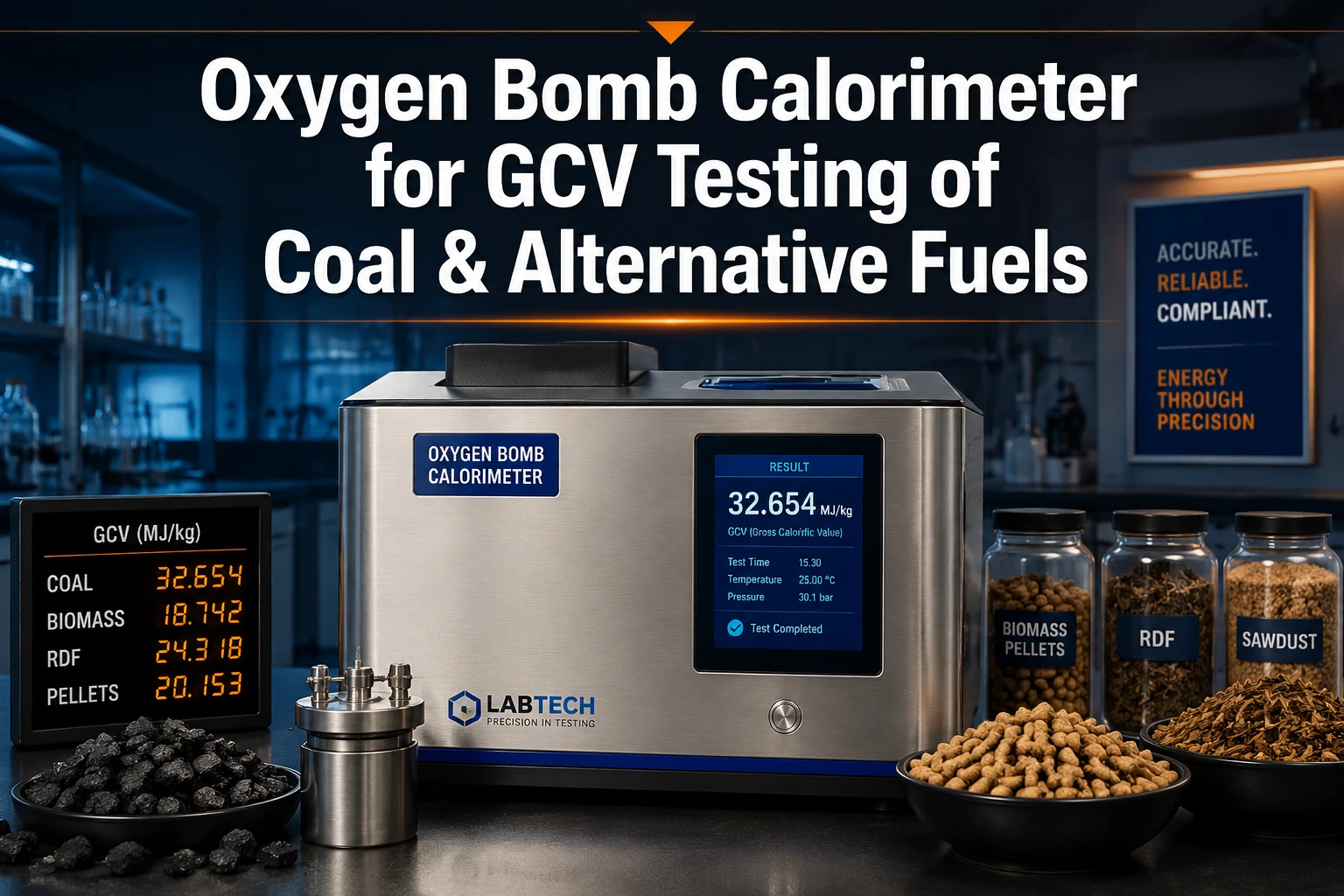
The Oxygen Bomb Calorimeter Method
The standard method for determining GCV involves using an oxygen bomb calorimeter, a precision instrument designed to measure the heat of combustion accurately. The process begins with placing a precisely weighed coal sample into a combustion crucible within a sealed bomb vessel. The bomb is pressurized with pure oxygen to ensure complete combustion, then submerged in a known volume of water within an insulated container.
When the sample ignites electrically, it burns completely in the oxygen-rich environment. The heat released raises the temperature of the surrounding water, and sophisticated temperature sensors measure this change with high precision. The calorimeter system calculates the GCV based on the temperature rise, sample mass, and the heat capacity of the system. Modern automated calorimeters handle calculations internally, improving both accuracy and throughput in busy testing laboratories.
Moisture Content and Its Impact on GCV
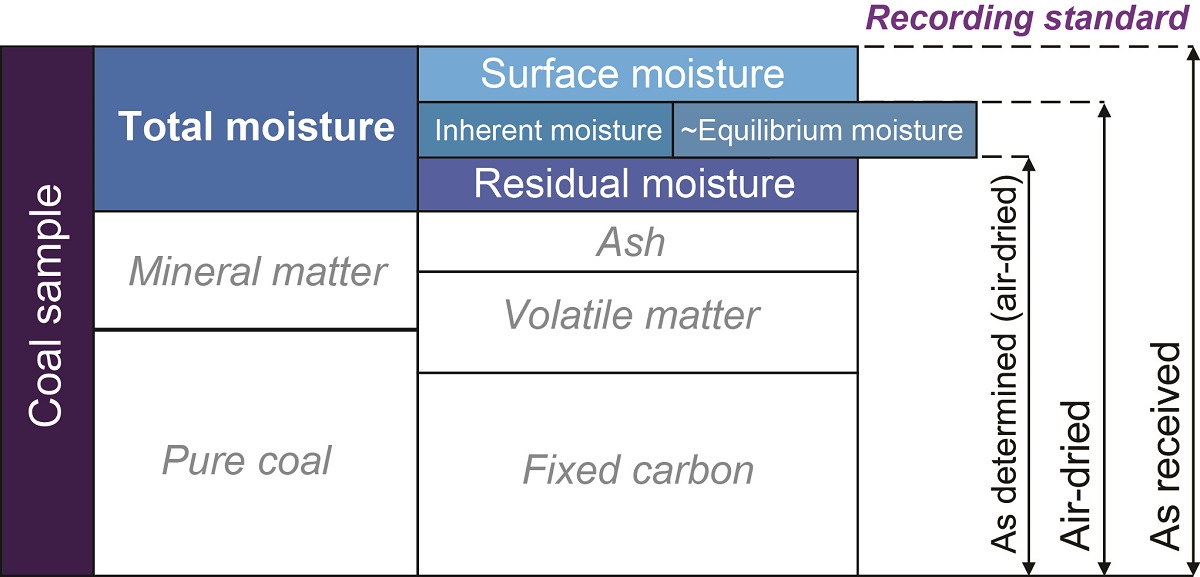
Moisture content significantly affects the calorific value of coal and must be carefully controlled and measured. Coal contains two types of moisture: inherent moisture trapped within the coal structure and surface moisture from external sources. Both forms reduce the effective energy content because energy is consumed to evaporate this water during combustion rather than contributing to useful heat output.
Laboratory procedures for moisture determination typically involve heating coal samples in controlled-temperature ovens. The sample is weighed before and after heating, with the weight loss representing moisture content. Standard test methods specify precise temperatures and heating durations to ensure reproducible results across different laboratories. Results are typically reported on an as-received basis, air-dried basis, or dry basis, depending on the specific application and reporting requirements.
Understanding moisture content becomes crucial when comparing coal from different sources or calculating the usable energy content for boiler operations. High moisture coals require additional energy input to drive off water before effective combustion begins, reducing overall thermal efficiency. Power plants often specify maximum moisture limits in their coal purchase contracts to maintain optimal boiler performance.
Ash Content Analysis
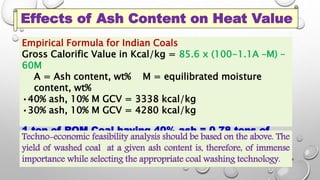
Ash represents the non-combustible mineral matter remaining after complete coal combustion. Ash content determination involves heating a coal sample in a furnace at high temperatures until all combustible material has burned away. The remaining residue is weighed and expressed as a percentage of the original sample mass. High ash content reduces the effective calorific value and creates operational challenges in combustion systems.
Excessive ash accumulation in boilers leads to slagging and fouling, reducing heat transfer efficiency and potentially causing equipment damage. Coal preparation plants use washing and separation techniques to reduce ash content before shipping to customers. Understanding the relationship between ash content and GCV helps engineers optimize coal blends for specific combustion applications while minimizing operational problems.
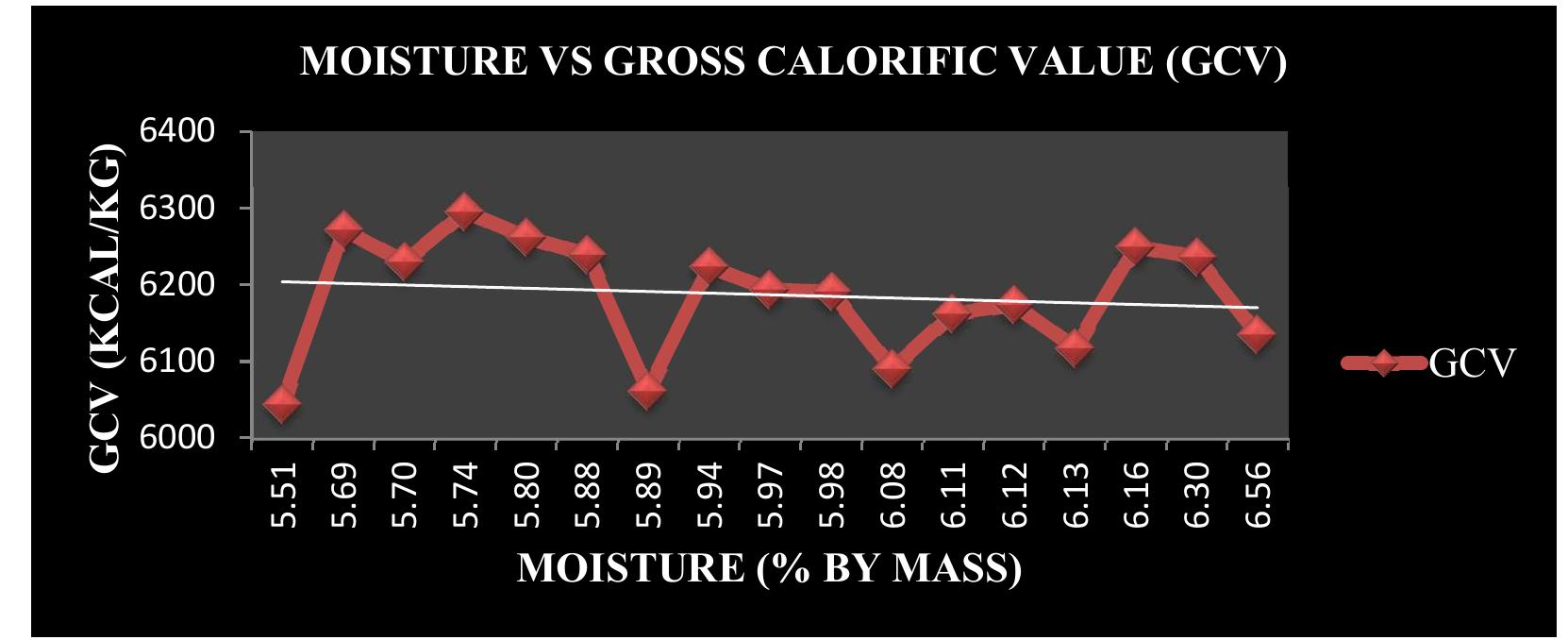
Correlation Between GCV, Moisture, and Ash
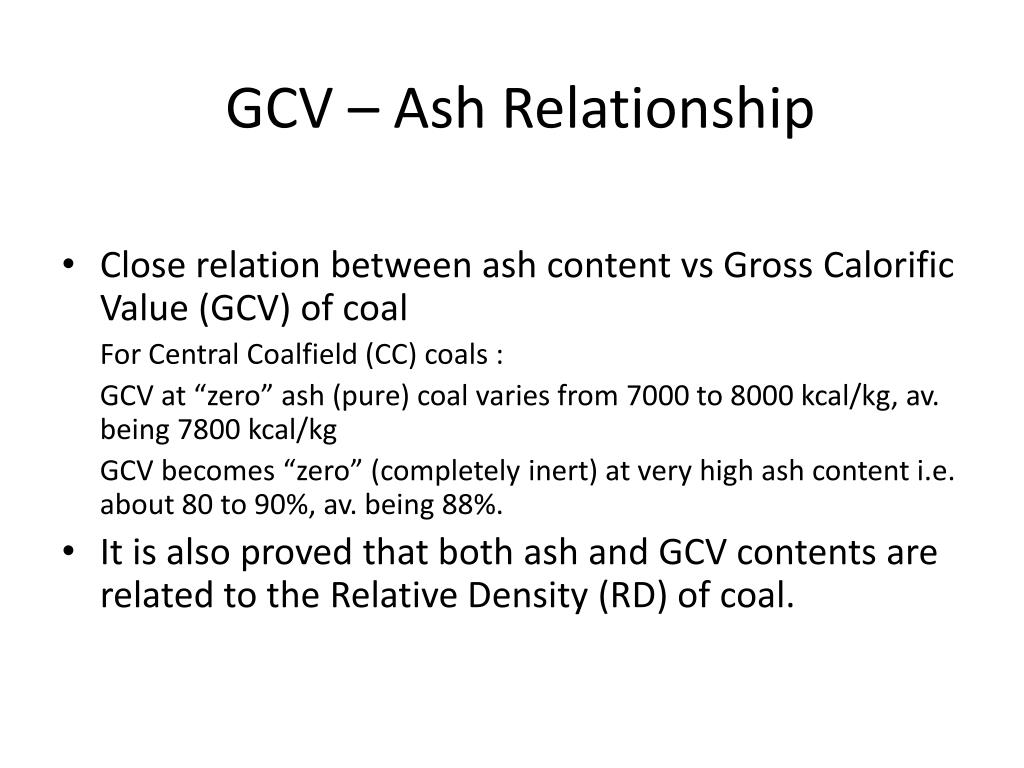
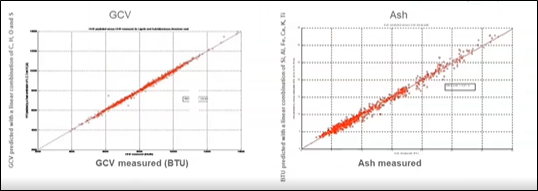
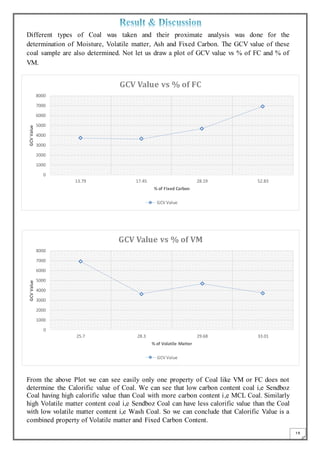
Researchers have established strong correlations between GCV and parameters including moisture content, ash content, and fixed carbon. These relationships allow for predictive models that estimate calorific value from proximate analysis data. When moisture or ash content increases, the GCV decreases proportionally because these components do not contribute to heat generation during combustion.
Multiple regression analysis techniques have proven effective for developing prediction equations. These correlations prove valuable for quality control applications where rapid estimates of GCV are needed without performing complete bomb calorimeter testing. However, direct measurement remains the gold standard for contractual and regulatory purposes where accuracy is paramount.
Conclusion
Coal GCV testing, moisture content determination, and ash analysis form the foundation of coal quality assessment. These interconnected parameters determine the practical value of coal for energy generation and industrial processes. Laboratory professionals must understand proper testing procedures, the significance of each measurement, and the relationships between parameters to provide accurate quality data. Whether you are evaluating coal for purchase, optimizing combustion operations, or conducting research, mastering these analytical techniques ensures reliable and meaningful results that support informed decision-making in the coal industry.
(PDF) Predictions Of Gross Calorific Value Of Indian Coals From Their

(PDF) Predictions of Gross Calorific Value of Indian Coals from their ...
PPT - BOILER EFFICIENCY PowerPoint Presentation, Free Download - ID:343406
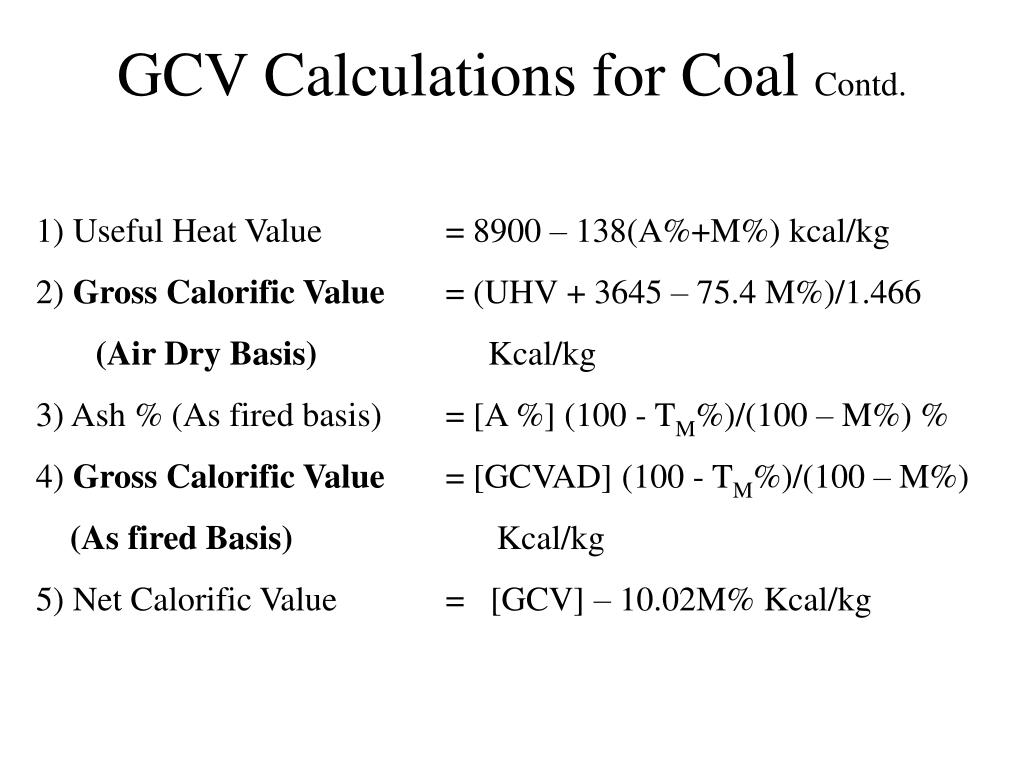
PPT - BOILER EFFICIENCY PowerPoint Presentation, free download - ID:343406
PPT - BOILER EFFICIENCY PowerPoint Presentation, Free Download - ID:343406
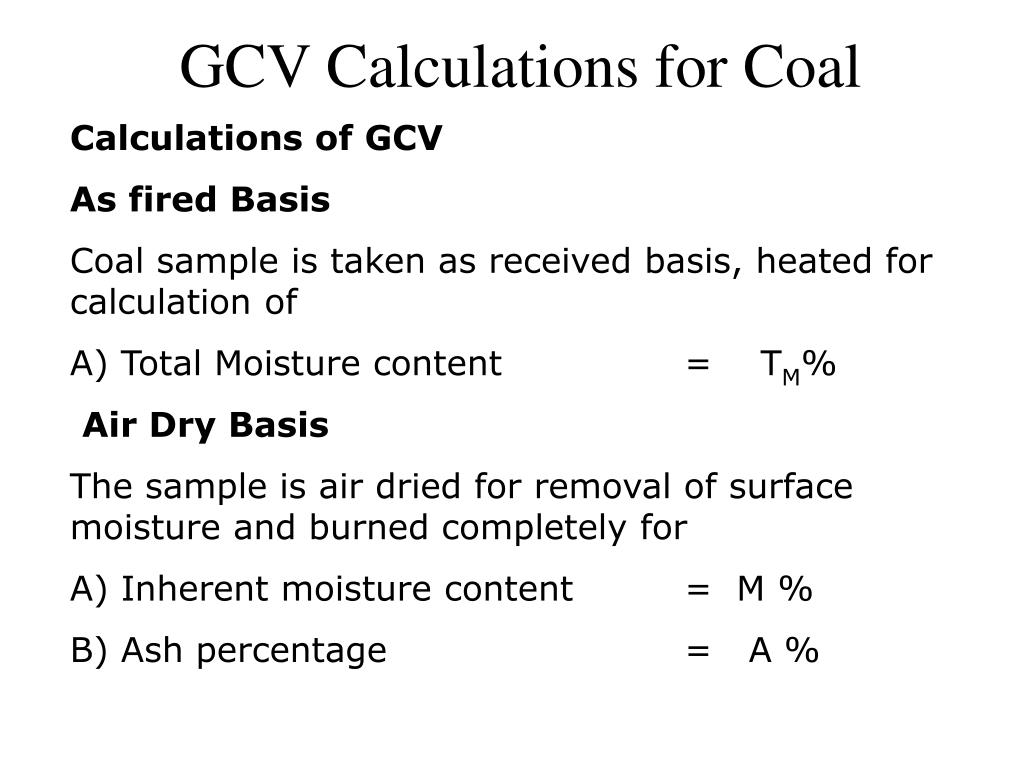
PPT - BOILER EFFICIENCY PowerPoint Presentation, free download - ID:343406
GCV Versus Moisture Content (TM), Ash (A), Volatile Matter (VM), And

GCV versus moisture content (TM), ash (A), volatile matter (VM), and ...
Proximate, Ultimate And GCV Analysis Of Coals | Download Scientific Diagram

Proximate, Ultimate and GCV analysis of coals | Download Scientific Diagram
Ranges And Averages (in Parentheses) Of The Values Obtained From

Ranges and averages (in parentheses) of the values obtained from ...
PPT - GROSS CALORIFIC VALUE –A GUIDE TO OPTIMUM WASHING OF POWER COALS
PPT - GROSS CALORIFIC VALUE –A GUIDE TO OPTIMUM WASHING OF POWER COALS ...
Analysis Of Coal Samples According To Caloric Value And Percentage Of

Analysis of coal samples according to caloric value and percentage of ...
The Use Of Non-Conventional Sensors To Monitor And Evaluate The Quality

The Use of Non-Conventional Sensors to Monitor and Evaluate the Quality ...
Moisture In Coal, Coal Analysis, Kentucky Geological Survey, University
Moisture in Coal, Coal Analysis, Kentucky Geological Survey, University ...
(PDF) Correlation Between Ash Content Of Size & Density Fractionated

(PDF) Correlation between Ash Content of Size & Density Fractionated ...
Proximate, Ultimate And GCV Analysis Of Coals | Download Scientific Diagram

Proximate, Ultimate and GCV analysis of coals | Download Scientific Diagram
"Coal: How To Get The Grades Right On Key Parameters Like Calorific
"Coal: How to get the grades right on key parameters like calorific ...
Moisture, Volatile Matter, Ash, Fixed Carbon And Calorific Value Of

Moisture, Volatile Matter, Ash, Fixed Carbon and Calorific Value of ...
(PDF) Predictions Of Gross Calorific Value Of Indian Coals From Their

(PDF) Predictions of Gross Calorific Value of Indian Coals from their ...
Table 2 From Gross Calorific Value Of Indian Coals And Its Correlation
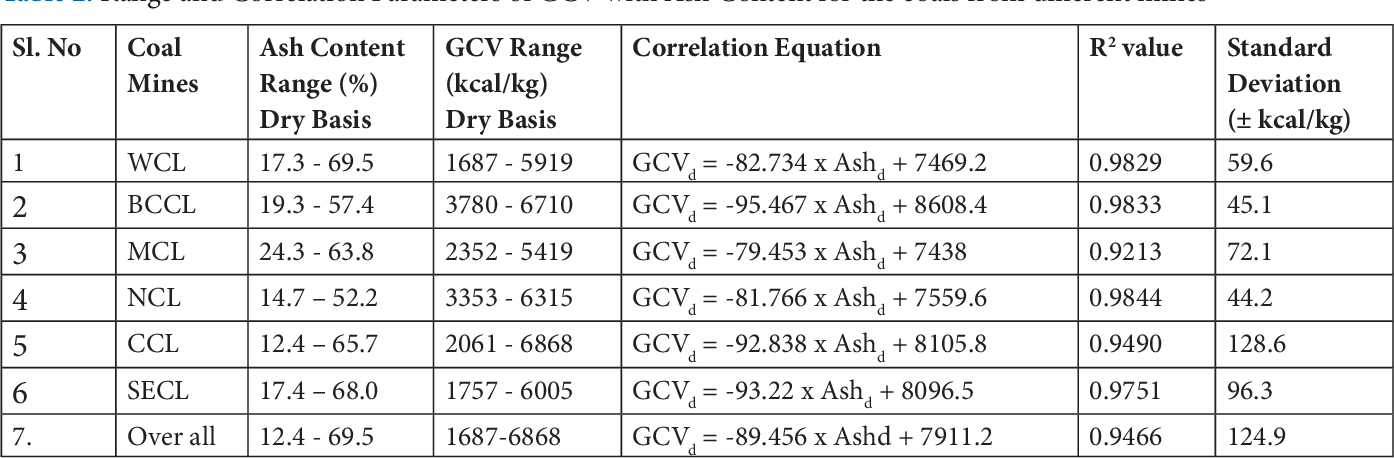
Table 2 from Gross Calorific Value of Indian Coals and its Correlation ...
(PDF) Predictions Of Gross Calorific Value Of Indian Coals From Their
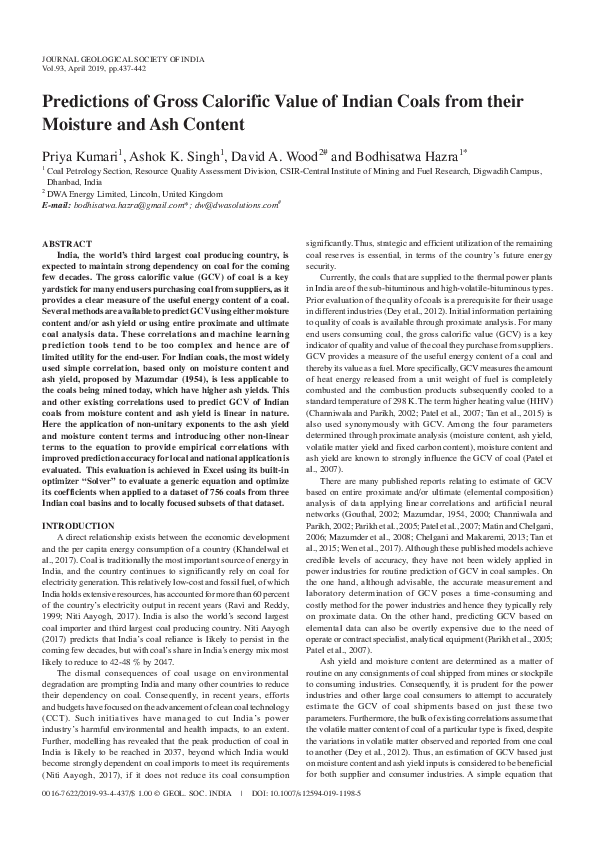
(PDF) Predictions of Gross Calorific Value of Indian Coals from their ...
Moisture Content Versus GCV For 756 Coals From Three Distinct Coal

Moisture content versus GCV for 756 coals from three distinct coal ...
Ash Yield Versus GCV For 756 Coals From Three Distinct Coal Basins

Ash yield versus GCV for 756 coals from three distinct coal basins ...
Air And Fuel Calculation.pdf
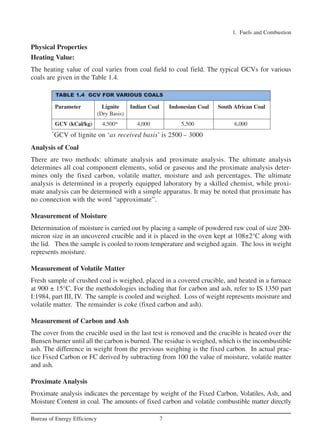
Air and fuel calculation.pdf
GCV Versus Moisture Content (TM), Ash (A), Volatile Matter (VM), And

GCV versus moisture content (TM), ash (A), volatile matter (VM), and ...
PPT - GROSS CALORIFIC VALUE –A GUIDE TO OPTIMUM WASHING OF POWER COALS
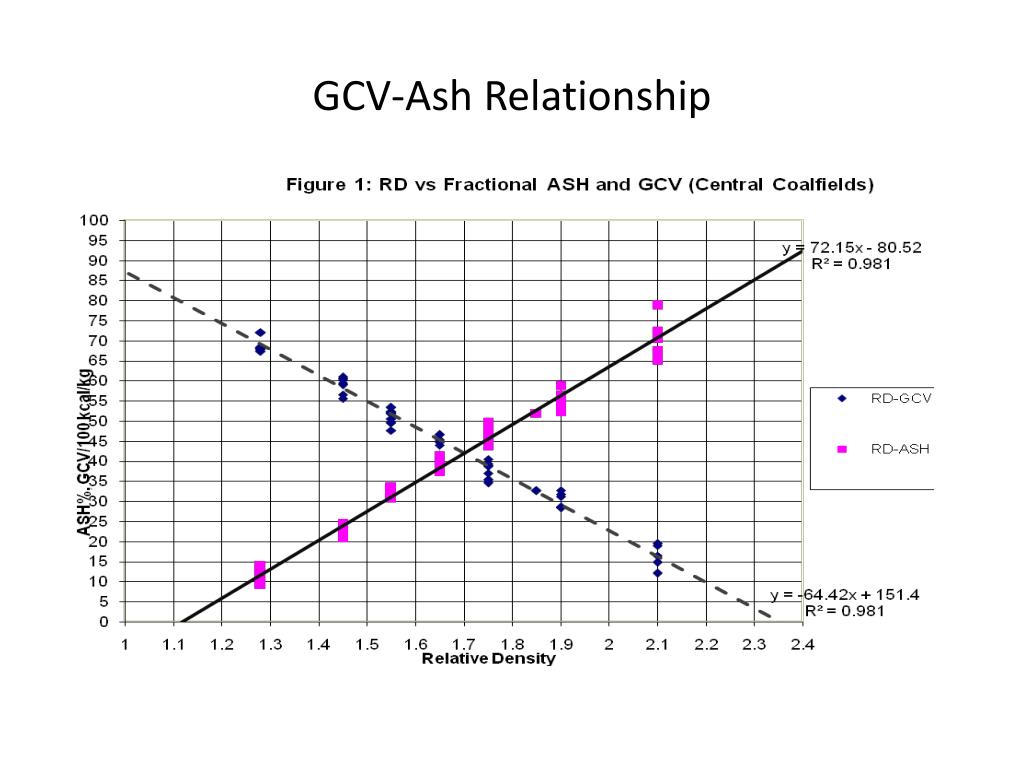
PPT - GROSS CALORIFIC VALUE –A GUIDE TO OPTIMUM WASHING OF POWER COALS ...
ASTM GCV Standards For Coal Energy Content | Subham Sengupta Posted On

ASTM GCV Standards for Coal Energy Content | Subham Sengupta posted on ...
Table 1 From Gross Calorific Value Of Indian Coals And Its Correlation
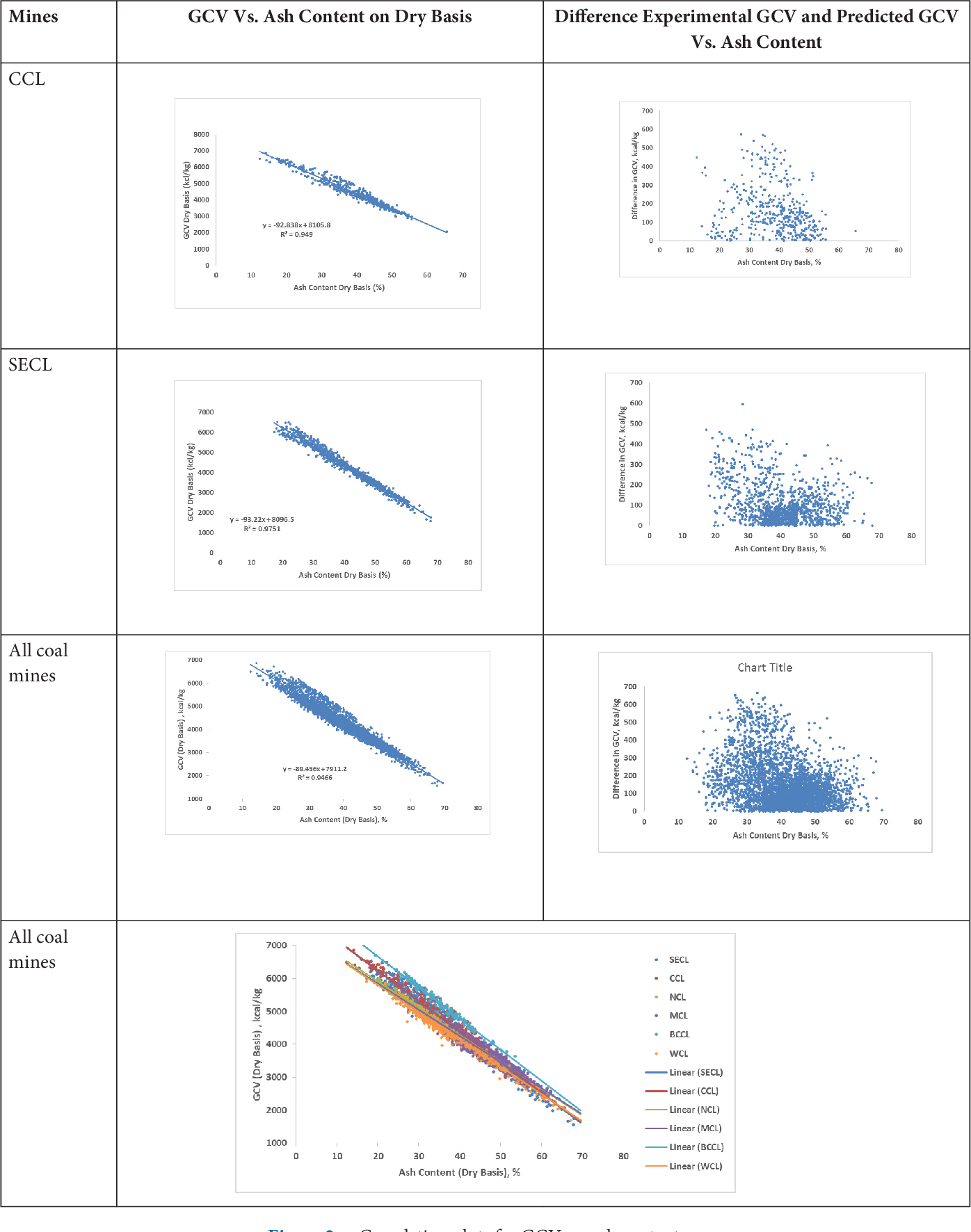
Table 1 from Gross Calorific Value of Indian Coals and its Correlation ...
Sieve Analysis Of Raw Coal, Ash And Moisture And Calorific Values

Sieve analysis of raw coal, ash and moisture and calorific values ...
Ash Yield Versus GCV For 756 Coals From Three Distinct Coal Basins

Ash yield versus GCV for 756 coals from three distinct coal basins ...
"Coal: How To Get The Grades Right On Key Parameters Like Calorific
"Coal: How to get the grades right on key parameters like calorific ...
Relationship Between Ash Content And Gross Calorific Value (GCV) For

Relationship between ash content and gross calorific value (GCV) for ...
Challenges And Solutions Of Coal Preparation In The Context Of
Challenges and Solutions of Coal Preparation in the Context of ...
Planning A Coal Handling Plant | PDF
Planning a coal handling plant | PDF
Proximate Analysis, Ultimate Analysis, GCV Of The Samples. | Download Table

Proximate analysis, ultimate analysis, GCV of the samples. | Download Table
Up-gradtion Of Coal By Blending Method | DOCX
Up-gradtion of Coal By Blending Method | DOCX
(PDF) Predictions Of Gross Calorific Value Of Indian Coals From Their

(PDF) Predictions of Gross Calorific Value of Indian Coals from their ...